Friday, February 15, 2013
COMING This weekend: Whitechapel Market Stalled by Tower Hamlets Council inertia and stupidity [1]
COMING This weekend: Whitechapel Market Stalled by Tower Hamlets Council inertia and stupidity [1]

Sunday, May 15, 2011
COMING HERE NEXT: Angela Lansbury honouring the fight for justice for all that her grandfather George Lansbury fought in Tower Hamlets
COMING HERE NEXT: Angela Lansbury honouring the fight for justice for all that her grandfather George Lansbury fought in Tower Hamlets
[To be continued]
Friday, May 6, 2011
Contextually citing the DAILY TORYGRAPH gloatingly reporting that a political protest is at the top of crimes against society! Society has been indeed broken by CONDEM [1]

Cambridge University undergraduate Charlie Gilmour, 21, who was photographed swinging from a Union flag on the Cenotaph, pleaded guilty to one charge of violent disorder after the demonstration in London last year was marred by violence.
During the riots a Rolls-Royce carrying the Prince of Wales and the Duchess of Cornwall was surrounded by a mob which began to throw missiles at the vehicle.
The rear passenger window was smashed in the attack and the Duchess was prodded in the side with a stick.
Gilmour, from Billinghurst, West Sussex, was accused of leaping onto the bonnet of a car carrying royal protection officers accompanying the Prince and the Duchess.
He was also accused of throwing a bin at the royal convoy and smashing a window at a branch of Topshop.
Gilmour had been accused of stealing a mannequin leg, but that charge was later withdrawn.
He has pleaded guilty to taking part in the riot but the details of the specific offences are yet to be agreed between the Crown and the defence team.
Judge Nicholas Price, QC, granted Gilmour conditional bail ahead of sentencing so he can complete his second year exams at Cambridge.
But he warned him that he could still face a prison term when he returns to court for sentencing on July 8.
He said: "The fact that I am granting you bail is of no indication whatsoever that you will be dealt with in a non-custodial way.
"You must understand that your plea of guilty to violent disorder is a serious matter and it may be that the proper course would be one of immediate custody."
Gilmour, who is studying history at Girton College, Cambridge, was among thousands of people who protested in the capital on December 9 over Government plans for university tuition fees.
He sparked widespread anger however when an image of him swinging from the Cenotaph appeared in the national press.
The day after the riots he issued an apology, describing it as a "moment of idiocy".
In a statement he said: "I feel nothing but shame. My intention was not to attack or defile the Cenotaph. Running along with a crowd of people who had just been violently repelled by the police, I got caught up in the spirit of the moment."
Gilmour's biological father is poet and playwright Heathcote Williams but he was adopted by the rock star when his mother, writer and journalist Polly Samson, remarried.
Eyes shut, the ethnic surrogate that brayed for Big Biz agenda CRASSrail in the dying days of wanton Brown regime..
Eyes shut, the ethnic surrogate that brayed for Big Biz agenda CRASSrail in the dying days of wanton Brown regime..
Sunday, April 10, 2011
What has Silvio Berlusconi said that belatedly acknowledges something that I had said 20 years ago to the 'leaders' of Western Governments? UPDATING Orwell from East End of London [4]
What has Silvio Berlusconi said that belatedly acknowledges something that I had said 20 years ago to the 'leaders' of Western Governments?
AADHIKARonline © Muhammad Haque London Commentary.
0250 [0240] [0230] [0200] Hrs GMT
London
Monday
11 April 2011.
What Silvio Berlusconi has done without losing any dignity is to acknowledge a truth that I spoke about twenty years ago. I did so in Britain.
I addressed my thoughts primarily to John Major, who was in occupation at No 10 Downing Street. When I spoke I did so in the immediate context of John Major’s then imminent address to the United Nations Organisation. Twenty years ago, the world was significantly less tense.
But it didn't feel that way where I was witnessing events. The tension then was not around “terrorism”. But there was a kind of terrorism in the air in the mainstream western media. That tension was being fuelled by daily “media” stories of an invasion. Invasion of the West by the non-Europeans. Mostly people from Africa.
Thousands of people were risking their lives trying to get into the West by getting on boats and sometimes boarding ships.
The spectre that was being painted by the mainstream media was as it was intended to be. To frighten the people, the indigenous people in the West.
So what did I say? I said to John Major - and the leaders of the Western Governments - that they had to face it.
Address the issue.
Start a programme of dealing with and eradicating hunger and starvation from the countries of origins of the desperate people, seeking new lives in Western Europe. I said that the issue was not as it was being painted by the media in the West. Th media painted the hungry, the starving as something else. Something like an invading army. Like an army of occupation. Nothing could be further from the truth. The widespread social impact of large numbers of hungry starving people arriving anywhere was something that could not be denied.
Ought not to be denied. So I argued that the “leaders” of the Western governments
had to stop being indifferent to the challenge. I said that the hungry, starving people would increase in number and the Western societies could become very tense if the challenge was not resolved. The way to solve hunger and poverty is to deal with t in the countries of the hungry people. Twenty years on, the leaders of western Governments have stayed silent. Only Berlusconi has now made a most reluctant admission of the problem. How long will it take the others before they face it and start addressing hunger and starvation in Africa? In parts of Asia? [To be continued]
Saturday, April 9, 2011
UPDATING George Orwell from the East End of London [3]
0510 [0450]
[0405] [0255]
[0245] [0200]
[0150] Hrs GMT
London
Sunday
10 April 2011
AADHIKARonline © Muhammad Haque London Commentary
UPDATING George Orwell from the East End of London
The key reason why I organised the “Khoodeelaar! campaign against the Big Business agenda Crossrail hole attacks on the Brick Lane LondoN E1 area....” [late December 2003 as a concept and in January 2004 as an active ongoing phenomenon] was and remains the utter necessity and need to diagnose, identify, expose and thereby to also stop and to undermine the CREATION OF ADDITIONAL poverty in the East End of London.
That was the key motivator for the Khoodeelaar! campaign being established and advocated. That poverty creation is still on. That is why Khoodeelaar! is expanding the scope of the activities from being about the initial target of “the Crossrail hole..” to the other actual couriers of the same agenda as the Crossrail scam was and has been a courier of. If the affected East End community had allowed the Crossrail hole to be dug and the other Crossrail attacks mounted on the East End as part of the “Crossrail hole onslaught” on our area as had been originally plotted by Big Business as the agenda setter and by the UK DfT and other assortment of stooges that are run by appearances of democratic legitimacy they routinely obtain via the UK “Houses of Parliament” then there would have been quite literally thousands of immediate casualties whose numbers would have increased many times over the months and years that followed.
By stopping the Crossrail hole attacks on the immediate area in and around Brick Lane, we have saved the existing small businesses, the families and individuals from being economically, socially wiped out of the area
The “Brick Lane London E1 area’ thus has remained intact as far as the physical infrastructure that would have been destroyed if Crossrail hole and related attacks were nit scrapped are concerned.
In later parts of this examination and update, I shall show how the “community” aspects have been being undermined by the same sources - Big Business and their other agents and operatives
When we stopped the Crossrail hole attacks, the agenda setters for Big Business who were pushing fir the hole attacks to be mounted went on with the OTHER poverty-creation scams that are still running in the area.
In addition to those ones, the CROSSRAIL Big Business agenda activities are taking place in parts of the East End that are not in the Brick Lane London E1 area. That those other parts are being implemented by the pushers of the Crossrail hole scam and the Khoodeelaar! is not maintaining a daily campaigning opposition to those specially identifiable particular ones is not an accident.
The poverty-creating local Tower Hamlets Council and its counterpart poverty-creating agencies and operatives that are engaged and paid by the UK state [as manifest in the “local Council”, the locally based units of the UK central State and its agencies] [that in turn acts as the agency enforcing the agenda for Big business and the Military Industrial Complex] are now being increased in number and they are being aided and abetted by even more organisational support imposed by the UK State and Big Business than has been the case ever before.
Not even in the 1920s or the 1930s has there been such a disproportionately high number of poverty-creation personnel employed in the ordinary population in the East End of London as now. their deployment is being done in a subtle way. They are the 21st century version of the outreach workers, only they are not called that at all.
They are funded through enterprises and they all share the tag of being economically viable.
Which is a calculated fraud that is being perpetuated by Big Business and the UK state colluding in this. The economic and the social aspects of their agenda on the East End is to first of all subliminally or surreptitiously occupy the area and then to dislodge the ordinary population from the area.
This they are doing by the application of the scams that together make up the poverty-creation programme.
The key features of the ongoing poverty-creation programmes in the East End of London include the failing and or the negligent institutions and agencies. These institutions and agencies are collectively also known as the “welfare state”.
They are the parts of the “locally elected” Council which in effect are the “delivery units” of the “welfare state’.
Then there are the various malfunctioning entities' of the so-called “National Health Service”, the NHS.
In the VAST majority of the cases, the NHS personnel are the ones that are at fault.
Those that are in post and are kept in post at considerable salaries and wages are not accountable for the quality or the standard or the FACTS their services.
they most certainly are not accountable to the people who need the services listed and catalogued when the salaries and the costs are collected from the state in the name of these services.
this has been the case for DECADES in the East End.
There is no accountability that could and ought to make the real, tangible and sustained difference for the better for the ordinary people in the East End of London.
In the absence of that accountability, the presence of poverty-creation is taking place at an ever faster ever more solid pace. [To be continued]
[0405] [0255]
[0245] [0200]
[0150] Hrs GMT
London
Sunday
10 April 2011
AADHIKARonline © Muhammad Haque London Commentary
UPDATING George Orwell from the East End of London
The key reason why I organised the “Khoodeelaar! campaign against the Big Business agenda Crossrail hole attacks on the Brick Lane LondoN E1 area....” [late December 2003 as a concept and in January 2004 as an active ongoing phenomenon] was and remains the utter necessity and need to diagnose, identify, expose and thereby to also stop and to undermine the CREATION OF ADDITIONAL poverty in the East End of London.
That was the key motivator for the Khoodeelaar! campaign being established and advocated. That poverty creation is still on. That is why Khoodeelaar! is expanding the scope of the activities from being about the initial target of “the Crossrail hole..” to the other actual couriers of the same agenda as the Crossrail scam was and has been a courier of. If the affected East End community had allowed the Crossrail hole to be dug and the other Crossrail attacks mounted on the East End as part of the “Crossrail hole onslaught” on our area as had been originally plotted by Big Business as the agenda setter and by the UK DfT and other assortment of stooges that are run by appearances of democratic legitimacy they routinely obtain via the UK “Houses of Parliament” then there would have been quite literally thousands of immediate casualties whose numbers would have increased many times over the months and years that followed.
By stopping the Crossrail hole attacks on the immediate area in and around Brick Lane, we have saved the existing small businesses, the families and individuals from being economically, socially wiped out of the area
The “Brick Lane London E1 area’ thus has remained intact as far as the physical infrastructure that would have been destroyed if Crossrail hole and related attacks were nit scrapped are concerned.
In later parts of this examination and update, I shall show how the “community” aspects have been being undermined by the same sources - Big Business and their other agents and operatives
When we stopped the Crossrail hole attacks, the agenda setters for Big Business who were pushing fir the hole attacks to be mounted went on with the OTHER poverty-creation scams that are still running in the area.
In addition to those ones, the CROSSRAIL Big Business agenda activities are taking place in parts of the East End that are not in the Brick Lane London E1 area. That those other parts are being implemented by the pushers of the Crossrail hole scam and the Khoodeelaar! is not maintaining a daily campaigning opposition to those specially identifiable particular ones is not an accident.
The poverty-creating local Tower Hamlets Council and its counterpart poverty-creating agencies and operatives that are engaged and paid by the UK state [as manifest in the “local Council”, the locally based units of the UK central State and its agencies] [that in turn acts as the agency enforcing the agenda for Big business and the Military Industrial Complex] are now being increased in number and they are being aided and abetted by even more organisational support imposed by the UK State and Big Business than has been the case ever before.
Not even in the 1920s or the 1930s has there been such a disproportionately high number of poverty-creation personnel employed in the ordinary population in the East End of London as now. their deployment is being done in a subtle way. They are the 21st century version of the outreach workers, only they are not called that at all.
They are funded through enterprises and they all share the tag of being economically viable.
Which is a calculated fraud that is being perpetuated by Big Business and the UK state colluding in this. The economic and the social aspects of their agenda on the East End is to first of all subliminally or surreptitiously occupy the area and then to dislodge the ordinary population from the area.
This they are doing by the application of the scams that together make up the poverty-creation programme.
The key features of the ongoing poverty-creation programmes in the East End of London include the failing and or the negligent institutions and agencies. These institutions and agencies are collectively also known as the “welfare state”.
They are the parts of the “locally elected” Council which in effect are the “delivery units” of the “welfare state’.
Then there are the various malfunctioning entities' of the so-called “National Health Service”, the NHS.
In the VAST majority of the cases, the NHS personnel are the ones that are at fault.
Those that are in post and are kept in post at considerable salaries and wages are not accountable for the quality or the standard or the FACTS their services.
they most certainly are not accountable to the people who need the services listed and catalogued when the salaries and the costs are collected from the state in the name of these services.
this has been the case for DECADES in the East End.
There is no accountability that could and ought to make the real, tangible and sustained difference for the better for the ordinary people in the East End of London.
In the absence of that accountability, the presence of poverty-creation is taking place at an ever faster ever more solid pace. [To be continued]
Thursday, March 31, 2011
Boris has still not accounted for his servitude to Big Biz agenda Crossrail scam pushers. Nor has he explained why he is touting for the Nuclear lobby. Nor why he has been so miserable in addressing the biggest issue that London public has faced for 80 years: the oppressive lack of civil liberties in London today..!
AADHIKARonline ©Muhammad Haque London Commentary
0550 Hrs GMT
London Friday 01 April 2011.
Boris takes a risky step to unsettle Cameron AND [Boris hopes] stop Ken Livingstone in HIS tracks
Boris Johnson’s comments staged on the BBC Question Time last night could be just a stunt. It could be. In context, however, it is hardly a stunt. It is most likely a calculated step by Boris Johnson to strike when the rod is still red hot and can burn where it needs to: Cameron’s complacent careerist hind site!
This weekend domestically seems set now to include Boris Johnson, badly shaken by last weekend’s poll findings showing him staring at defeat by Ken Livingstone.
However strategically useful the stunt may turn out to be, the fact still remains that Boris Johnson is no Michael Moore! Contrary to his opportunistic suggestions that he was an American by birth, Boris Johnson remains quintessentially calculating and therefore a very very sheepish politico. He will not tell the truth any more than Complacent complicit Cameron or the pernicious Nick Clegg.
The truth is that Boris has failed to address the economic, social,environmental issues facing people in the East End of London. In that failure, Boris Johnson has been as irrelevant and contemptuous to the people as had been Ken Livingstone! No wonder Boris is increasingly looking like the capricious courtier of the “Muzzle-em” votes! “Muzzle ‘em” as in KEEP THE MUZZLEMS a peg or pegs below par and keep them looking up to me [Boris]. Just the way Livingstone did. And with this diabolically unfunny intervention in which Boris successfully APPEARS to almost identify with the people of the Muslim [Arabic speaking] countries. Given that this is at the height of the ‘West’s latest war on yet another defiant ‘Arab’ head of state, Boris has cultivated quite a lot of votes already!
Contemptible!
Crass!
Boris has still not accounted for his servitude to Big Biz agenda Crossrail scam pushers. Nor has he explained why he is touting for the Nuclear lobby. Nor why he has been so miserable in addressing the biggest issue that London public has faced for 80 years: the oppressive lack of civil liberties in London today..! [To be continued]
0550 Hrs GMT
London Friday 01 April 2011.
Boris takes a risky step to unsettle Cameron AND [Boris hopes] stop Ken Livingstone in HIS tracks
Boris Johnson’s comments staged on the BBC Question Time last night could be just a stunt. It could be. In context, however, it is hardly a stunt. It is most likely a calculated step by Boris Johnson to strike when the rod is still red hot and can burn where it needs to: Cameron’s complacent careerist hind site!
This weekend domestically seems set now to include Boris Johnson, badly shaken by last weekend’s poll findings showing him staring at defeat by Ken Livingstone.
However strategically useful the stunt may turn out to be, the fact still remains that Boris Johnson is no Michael Moore! Contrary to his opportunistic suggestions that he was an American by birth, Boris Johnson remains quintessentially calculating and therefore a very very sheepish politico. He will not tell the truth any more than Complacent complicit Cameron or the pernicious Nick Clegg.
The truth is that Boris has failed to address the economic, social,environmental issues facing people in the East End of London. In that failure, Boris Johnson has been as irrelevant and contemptuous to the people as had been Ken Livingstone! No wonder Boris is increasingly looking like the capricious courtier of the “Muzzle-em” votes! “Muzzle ‘em” as in KEEP THE MUZZLEMS a peg or pegs below par and keep them looking up to me [Boris]. Just the way Livingstone did. And with this diabolically unfunny intervention in which Boris successfully APPEARS to almost identify with the people of the Muslim [Arabic speaking] countries. Given that this is at the height of the ‘West’s latest war on yet another defiant ‘Arab’ head of state, Boris has cultivated quite a lot of votes already!
Contemptible!
Crass!
Boris has still not accounted for his servitude to Big Biz agenda Crossrail scam pushers. Nor has he explained why he is touting for the Nuclear lobby. Nor why he has been so miserable in addressing the biggest issue that London public has faced for 80 years: the oppressive lack of civil liberties in London today..! [To be continued]
Tuesday, March 15, 2011
KHOODEELAAR! TOLD YOU SO! The 2012 Games Hosting stunts, staged by all the peddlers of the BiG Business interests that have been controlling the agenda, have been fraudulent and most importantly NOT really of benefit to ordinary people of and in the East End of London.
KHOODEELAAR! TOLD YOU SO! The 2012 Games Hosting stunts, staged by all the peddlers of the BiG Business interests that have been controlling the agenda, have been fraudulent and most importantly NOT really of benefit to ordinary people of and in the East End of London.
2145 Hrs GMT
London
Tuesday
15 March 2011
By © Muhammad Haque
KHOODEELAAR! TOLD YOU SO! The 2012 Games Hosting stunts, staged by all the peddlers of the BiG Business interests that have been controlling the agenda, have been fraudulent and most importantly NOT really of benefit to ordinary people of and in the East End of London.
This is about Boris Johnson and Sebastian Coe. And even before them, about Ken Livingstone.
These are the ones that have been relevant to the continuing non-recognition of the rights of so many people in London’s East End today, Tuesday.
To begin with the Games web site about Tickets proved to be another mini disaster. And Boris Johnson made matters worse by uttering even more offensive untruths in justifying the exclusion of the majority of Londoners from having the tickets. And Ken Livingstone did not make it in the main bulletins showing any opposition to Boris Johnson over the tickets.
[To be continued]
Saturday, February 12, 2011
CONTEXTUALLY diagnosing the role of "Fleet Street" in continuing poverty-creation and in adding new poverty in the East End of London.
1225 Hrs GMT
London
Saturday
12 February 2011
Editor © Muhammad Haque
CONTEXTUALLY diagnosing the role of "Fleet Street" in continuing poverty-creation and in adding new poverty in the East End of London.
Here we are running the BHANGEELAAR! Campaign's first comment published on the Guardian web site [this morning] in response to the GUARDIAN's online London Blog, as by-lined to Dave Hill of that news organisation. These diagnostic updates are in the context of the various policy decisions that are being taken by the UK CONDEMN regime to shore up the image of Crossrail, one of this century’s most unsustainable and scandalously wasteful “infrastructure p[projects’ that has been conjured up and forced on the UK public by the stooged regimes in UK that carries out the agenda set by secretive and unaccountable forces of Big Business.
The BHANGEELAAR! campaign in 2010 began to diagnose the role of the Guardian and in context that of the DAILY TELEGRAPH and a handful of other ‘Fleet Street’ ‘mainstream’ ‘media’ ‘organs’ in creating a new and an aggressive image of the people in Tower Hamlets. That image had been inaugurated in 2010 via Channel 4 TV and its notoriously falsifying “dispatches’ programme in the intense way that has now been evidentially associated with one of the myth-makers and propaganda stooges, Andrew Gilligan. Although the GUARDIAN’s counterpart to Gilligan’s DAILY TELEGRAPH London Blog pretends to be less biased and less belligerent as compared to Gilligan, the editorial line that Dave Hill inserts in his texts leave no doubt in the objective student's mind that Dave Hill is as politically programmed as Gilligan to undermine the community in Tower Hamlets.
[Which is where we raise the question about the “star” - word used by one of Gilligan's and Dave Hill’s alleged colleagues, Ted Jeory now employed on Richard Desmond “Express” outlets “in” “Fleet Street” - “personalities” that keep being referred to, plugged and mentioned in the two “Fleet Street” blogs about Tower Hamlets. ]
The role of the GUARDIAN, mostly in the days before it went online, in covering the East End of London has been just as misleading as that of the DAILY TELEGRAPH. So what the Gilligan 'blog' and the Dave Hill 'blog' have been doing in the current situation is in fact the continuation of the same agenda that dates back to pre-internet years.
One of the DAILY TELEGRAPH's pernicious spreader of untruths about Tower Hamlets in the last decades of the 20th century has been a Bombay-linked self-advertising 'expert' about all things "Asian" called Mihir Bose. Bose has been a recipient of the propaganda platforms via the BBC in recent years. Earlier this week, he even appeared on the BBC News Channel's slot that is dedicated to promoting the "Fleet Street" front pages.
Bose was allowed to publish a number of untruths, insults and downright fabrications and pernicious lies against the UK Bangladeshis generally and against the Seelotees in particular.
We shall in the coming week,s months and beyond examine Mihir Bose and his "crusade" in the service of the racist interest in the UK who have also used and employed less confusing and instantly identifiable racist myth-makers, inciters and propagandists like Matthew Parris.
[To be continued]
BHANGEELAAR! first diagnstic commdent today on teh GUARDIAN London web site Saturday 12 February 2011:
London
Saturday
12 February 2011
Editor © Muhammad Haque
CONTEXTUALLY diagnosing the role of "Fleet Street" in continuing poverty-creation and in adding new poverty in the East End of London.
Here we are running the BHANGEELAAR! Campaign's first comment published on the Guardian web site [this morning] in response to the GUARDIAN's online London Blog, as by-lined to Dave Hill of that news organisation. These diagnostic updates are in the context of the various policy decisions that are being taken by the UK CONDEMN regime to shore up the image of Crossrail, one of this century’s most unsustainable and scandalously wasteful “infrastructure p[projects’ that has been conjured up and forced on the UK public by the stooged regimes in UK that carries out the agenda set by secretive and unaccountable forces of Big Business.
The BHANGEELAAR! campaign in 2010 began to diagnose the role of the Guardian and in context that of the DAILY TELEGRAPH and a handful of other ‘Fleet Street’ ‘mainstream’ ‘media’ ‘organs’ in creating a new and an aggressive image of the people in Tower Hamlets. That image had been inaugurated in 2010 via Channel 4 TV and its notoriously falsifying “dispatches’ programme in the intense way that has now been evidentially associated with one of the myth-makers and propaganda stooges, Andrew Gilligan. Although the GUARDIAN’s counterpart to Gilligan’s DAILY TELEGRAPH London Blog pretends to be less biased and less belligerent as compared to Gilligan, the editorial line that Dave Hill inserts in his texts leave no doubt in the objective student's mind that Dave Hill is as politically programmed as Gilligan to undermine the community in Tower Hamlets.
[Which is where we raise the question about the “star” - word used by one of Gilligan's and Dave Hill’s alleged colleagues, Ted Jeory now employed on Richard Desmond “Express” outlets “in” “Fleet Street” - “personalities” that keep being referred to, plugged and mentioned in the two “Fleet Street” blogs about Tower Hamlets. ]
The role of the GUARDIAN, mostly in the days before it went online, in covering the East End of London has been just as misleading as that of the DAILY TELEGRAPH. So what the Gilligan 'blog' and the Dave Hill 'blog' have been doing in the current situation is in fact the continuation of the same agenda that dates back to pre-internet years.
One of the DAILY TELEGRAPH's pernicious spreader of untruths about Tower Hamlets in the last decades of the 20th century has been a Bombay-linked self-advertising 'expert' about all things "Asian" called Mihir Bose. Bose has been a recipient of the propaganda platforms via the BBC in recent years. Earlier this week, he even appeared on the BBC News Channel's slot that is dedicated to promoting the "Fleet Street" front pages.
Bose was allowed to publish a number of untruths, insults and downright fabrications and pernicious lies against the UK Bangladeshis generally and against the Seelotees in particular.
We shall in the coming week,s months and beyond examine Mihir Bose and his "crusade" in the service of the racist interest in the UK who have also used and employed less confusing and instantly identifiable racist myth-makers, inciters and propagandists like Matthew Parris.
[To be continued]
BHANGEELAAR! first diagnstic commdent today on teh GUARDIAN London web site Saturday 12 February 2011:
Monday, January 31, 2011
ACTION UPDATE on the KHOODEELAAR! Manifesto 2005: its impact on Tower Hamlets politics was admitted by the "East London Advertiser" on 5 January 2006
1030 Hrs GMT
London
Monday
31 January 2011.
By © Muhammad Haque
In December 2005, a document was published in and from the East End of London that caused political shock waves in the East End of London. What was that document? Who published it? What evidence is there that there was a political shock wave - let alone ‘shock waves’- caused by that document? [To be continued]
London
Monday
31 January 2011.
By © Muhammad Haque
In December 2005, a document was published in and from the East End of London that caused political shock waves in the East End of London. What was that document? Who published it? What evidence is there that there was a political shock wave - let alone ‘shock waves’- caused by that document? [To be continued]
Subscribe to:
Posts (Atom)
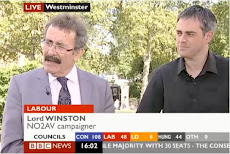
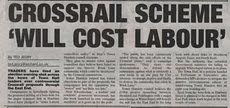




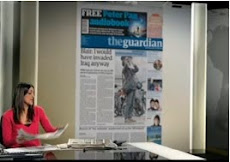
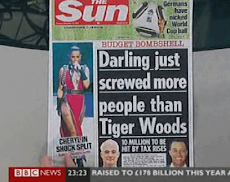





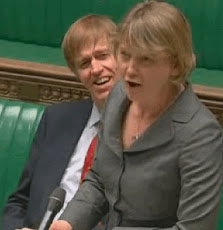

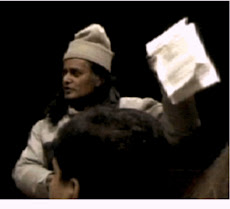
“In the end, the only solution for Labour may be to take its leader Ed Miliband resolutely at his word and rebuild the local party from the ground up, broadening its base and listening to all those it wants to serve more carefully than ever before. That's an easy thing for a hack in Hackney to write and a much, much harder thing for a politician in Tower Hamlets to do. But it sounds rather like democracy.”
Unquoting Dave Hill [with emphases added by the commenter below].
We are commenting here to correct some of the misleading contents and insinuations.
We shall come back to deal with any other that we find appropriate in due course.
We here concentrate on Dave Hill’s “discussion” on the spelling of particular last name and we examine some other aspects of the Dave Hill’s London Blog in perpetuating the discriminatory myths about “local expertise’ by a “colleague” of Dave Hill’s.
We start by examine Mr Hill’s statement: “the only solution for Labour may be to take its leader Ed Miliband resolutely at his word and rebuild the local party from the ground up”.
What is Ed Miliband? Is he a magician or is a super human? He is neither. As for “rebuilding” of the former Labour Party, Miliband is even less. He has neither the knowledge nor the interest nor the commitment to rebuild democratic accountability anywhere. He is a machine leader of a machine bureaucracy that is banking for his ‘aim to reach the shore of power’ on the bankruptcy of the British political vessel as it is evident via the democracy-denying, democrat deficit Houses of Parliament Whatever Ed Miliband may have puffed on, he is no different on the evidence so far from any of his predecessors in that post when it comes to the fundamental purpose of the Party bureaucracy. When that purpose is ‘relaunched’ in areas like Tower Hamlets during routine ‘periods of elections’, it is as dull, dishonest and unjust and undemocratic as it ever has been. So what secret are you alluding to when you invest all; your rhetorical hopes on Ed Miliband doing the undoable? Do tell. As for us ordinary folk in Tower Hamlets, we see no evidence now and we have found none in their records of the past half century, of the former Labour Party being anything other than a machine vehicle for time-servers, petty careerists and several brazen liars. The same conclusion applies to what is now the “Tower Hamlets Lib Dems”. The several ‘names’ that you have now ‘introduced’ and or promoted about the former Labour Party in Tower Hamlets are as contaminated on their records as could be found in any of the past five decades. Our Movement has drawn attention to those during the past fifty years and demanded action against the crooked behaviour of so many time-serving place men and women in the former Labour Party that the list of the perpetrators and the allegations against them alone would take up more space than is available on your blog comment slot. The former Labour Party has persisted in failing to take action. Why? Because the entire bureaucracy has been itself corrupt. Let any of that bureaucracy's key decision-making obstructors come out and declare themselves and we shall read them the details of their perpetration with ample updater diagnostics.
The only thing that is ‘new’ about your promotion of those is your name and your blog, Dave! You are now doing what decades of “Fleet Street” media has done for the corrupotocrcay that is the former Labour Party.
About the rest of your concluding Comment, you have not qualified the phrase “a politician in Tower Hamlets”. Without qualification, that phrase is full of misleading and vacuous potential. For the sake of democratic accountability, we shall attempt a working qualification as always in context here. Perhaps by a politician in Tower Hamlets you are referring to those who seek or occupy “elected” posts. Examples include local Tower Hamlets Borough council posts or the London Assembly post/s or the posts of MPs for any of the two Parliamentary constituencies. Secondly you must be meaning the post or position seekers and the postholders in the former Labour Party that is still floated in Tower Hamlets as a bureaucratic version of its former form at the present time. Finally you must be meaning the couriers of the various sub-candidates and sub-post-seekers that make up the number that also serves as ‘the organisation’ of the former Labour Party. On the facts of the contens of your blog, you could not be meaning people in the ordinary population in Tower Hamlets. Had you meant any of us, you would have said something about the Movement that has actually been working to defend the key universal values from which the time-serving opportunists you DO recognise have benefited [personally and in terms of their own careerists factions] without a shadow of a doubt.
[continued]
You also refer to the Conservative Councillors’ group ‘leader’ Peter Golds who has been doing business fort his cause by parading as a ‘Tower Hamlets politician’ although he has yet to come on the record ANYWHERE as representing the concerns and the demands of the ordinary democratically conscious people in Tower Hamlets. We have pointed this out before about Peter Golds and we do so again here, in context. We also point out that you have not expressly examined poverty of any description in your blog. Indeed, you have not even mentioned the word poverty once. In our knowledge of the ordinary lives of the overwhelming majority of ordinary people in Tower Hamlets, there are three types of poverty currently affecting the quality of life for ordinary people in Tower Hamlets. Poverty as experienced and felt and as measurable by income, earnings or none. Secondly poverty as evident in the absence of accountably, transparently democratic representation at any of the local state levels as linked to ‘electoral’ processes. The third type of poverty is in the absence of delivery of the promised or the purported standard of democracy in accordance with ordinary expectations as defined by ethics, morality or due process in most of the state and local agencies and institutions as operating in Tower Hamlets.
Although you appear reserved about Peter Golds, you perform a telling act of excusing him. You let Mr Golds off the hook by deciding to not scrutinise him on the allegations that he had INSINUATED. You say (“) Golds’ letter claimed that the Brick Lane restauranteur Shiraj Haque had, "stated to a number of local politicians that he funded the legal action" and that, "This is a reportable donation that has not been reported [to the Electoral Commission] within the [legal] time limit." (”). Who are the “number of local politicians”? We ask because we know [as defined above again] for a fact that there is no such thing as “local politicians” without links, strings and careerist negotiations and or deals. So whatever “local politicians” is supposed to refer to in relation to Peter Golds’ own promotion of his “party'-linked business would be someone [or more than one] who would be found to be already compromised by some other relevant factors vitiating any attempt to bring about an ethical and a democratically accountable atmosphere in Tower Hamlets. That would mean that you should have demonstrably queried Peter Golds’ assertion. Had you done that, you would have found ON THE EVIDENCE that a true investigative examination of his c,aims would have to reveal that Peter Golds was basing HIS bit of the allegations as much on partisan and untenably non-democratic ground as any of his implied Party political opponents would be doing given the same observed and non-democratic and or antidemocratic objective. Your reference to “the Brick Lane restauranteur Shiraj Haque” is also inaccurate and in context significantly misleading. The person you name as “Shiraj Haque” is in fact known in the community simply as Shiraj. This is true of today as it has been since the end of the 1970s when he was first listed in the public domain as an active member of the community in Tower Hamlets. One of the original validators for Shiraj getting INTO the public domain as an active member of the local community in the late 1970s was the campaign that our Movement was conducting at that time in defence of the community following the racist murder of Altab Ali on Thursday 4 May 1978. So the question that arises now , 32 years on, is this: who has been responsible for moderating or altering or amending the community-based persona of Shiraj? Has there been a legal reason why the spelling of his stated last name was or has been changed? If so, what was that legal reason? If none then why haven’t you or to be more practical your ‘local expert’ [‘colleague’] [promoted by you in the past few months as ‘the’ de facto ‘expert’ on “Tower Hamlets”] explained that change in the spelling of the stated last name cited about Shiraj? This is also important in view of the many references to Abbas Uddin “Helal” as made by you and by at least three others in or about “Fleet Street”. One of those, David Cohen, the self-described ‘rescuer of the dispossessed of London’ as promoted via the London EVENING STANDARD, invaded a democratic accountability forum that had been organised by the Spitalfields Small Business Association [SSBA] on 18 October 2010. The SSBA’s Director Kay Jordan, who sat on a chair next to where David Cohen had been sitting before he stood up to launch his invasion, wondered to our campaign within minutes of David Cohen’s invasion, what would have been the best way of stopping Cohen from violating that meeting. And what was his violating act?
Why a personal insinuation against Lutfur Rahman and as retailed on behalf of the interests that were promoting Abbas Uddin “Helal” as their chosen courier of the Blaired party band. David Cohen abused the entire local, SSBA-organised meeting, by standing up and demanding to know from Lutfur Rahman why Lutfur Rahman’s alleged supporters had been spreading an allegation about Abbas Uddin “Helal” abusing or beating his [“Abbas Uddin “Helal”:] wife. Abbas Uddin “Helal” himself was absent from the event. And there was no legal, constitutional law, ethical or democratic or electoral reason why Lutfur Rahman had to even comment on that utterance by the invader David Cohen. But Lutfur Rahman did. And ion making a comment “denying” Cohen’s invasive utterance, Lutfur Rahman confounded the Cohen-contrived confusion even further! He proceeded to deny having abused HIS wife! And a suitably timed supportive sounding woman stood up in a row behind where David Cohen was sitting [and or standing, depending on what moment of his invasion he was engaged in] in the audience and stated words to the effect that she supported her husband Lutfur Rahman totally! In his ‘response’ on the same occasion, Lutfur Rahman also said that he would sue anyone who said what Cohen was saying! This part was in fact triggered by the Lib Dems’ John Griffiths whose own utterance [to Lutfur Rahman’s mind and to observers present] represented a repetition in effect of what Cohen had done earlier in the invasive disruption of the proceedings of the SSBA-organised meeting that had been intended to offer local people a say on what the local Tower Hamlets Council should be doing to support the local small businesses and similar initiatives. Considering the fact that David Cohen VIA the London EVENING STANDARD played a promotional part in propping up the campaign propaganda and image for the Lib Dems and the Conservatives in the run up to the 06 May 2010 elections on the alleged basis that Cohen had been “helping” the “DISPOSSESSED” in London [ played as a “counter” to the then Gordon Brown-fronted regime that was, so the “DISPOSSESSED” theme suggested, causing the DISPOSSESSION to areas typified by the East End Borough of Tower Hamlets], his violation of the people who were attending the SSBA-organised meeting on 18 October 2010 showed just how irrational Cohen was, how contemptuous he was of the rights of the people in the East End and how indifferent he was to what we had to say on that day about our “local Council Cohen on that occasion dispossessed us from our democratic say! Our campaign intervened at the right time to ensure that Cohen was not able to carry with him any pretext that he could later retail for the delectation of the likes of Peter Golds in another exaggerated, untrue and untruthful attack on the invented image of our community portraying it as not only being intolerant to “journalists” but also to “free speech”! Cohen abused the kindness and generosity of the meeting and in his abuse he denied that meeting the freedom to exchange views and information about matters to do with the local Council’s financial and democratic conduct. It is clear that in your “accessible” and “sympathetic” “style”, you too are engaged in doing the same.
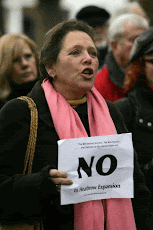
Why else is it that you promote Peter Golds and then fail to show why his alleged allegation to the Metropolitan Police did not go anywhere? Why is it that you refer to everything else about the various allegations about corruption over the Blaired Party's bureaucracy and its handling or mishandling of the selection etc, but fail to even recognise that there has been a fully active campaign against the very constitutional change to Tower Hamlets being lumbered with a post called executive mayor that is the persistent topic of your particular blog posts. Given that two fifths of the stated votes cast in the alleged referendum were in favour of the NO option, how can you treat 40,000 voters as if they did not record their rejection of the bid to change the Council’s particular structure? Given also the fact that Abbas Uddin “Helal” was himself a “campaigner against an elected mayor system” for MONTHS, how is it that you leave that fact out as if it was not the central feature of the evidence of active contempt for ethics and honesty that the Bliared party bureaucracy has been exhibiting at every level over the matter? You state that you had spoken to Joshua Peck but then you do not include any substance. Why mention him then? If you had asked us, we could tell you that the same Joshua Peck had appeared along with our Campaign organiser on at least four platforms at “public” meetings held across Tower Hamlets between 06 February 2010 and 06 May 2010 “speaking and uttering arguments against” a directly elected executive mayor.
We could add that without making any noticeable let alone substantiated apology to the Tower Hamlets community and the public the aforesaid Joshua Peck then began to make appearances on the Bliared Party promotional events in the Borough SUPPORTING an elected executive mayor system! He has remained silent on the fact that Bliared party candidates for Council ward votes on 06 May 2010 received far more votes than the NO question got. The significance of this is in the fact that JOSHUA PECK and other such Bliared Party candidates had been claiming that they were “campaigning against an elected mayor system” and that they were claiming that they had been ALSO asking their canvassed voters to vote NO in the allotted box on the referendum/ballot paper [held on the same day, 06 May 2010] as the general election and the London local council elections. All the evidence that we have obtained of the voters behaviour on that day in the in the run up to polling [and referendum on the mayor] day has shown that those who were actually genuinely approached about the serious flaws and the pitfalls of installing a directly elected executive mayor in fact voted NO. That raises the almost certain possibility that those, like Joshua Peck who were claiming to be campaigning for s NO vote on the referendum were doing less to secure a NO outcome than they were doing to get their personal election as councillor guaranteed. This discrepancy was deliberately created as admitted to our campaign organiser by one of Joshua Peck’s co-candidates in February-April 2010. According that candidate for a Council ward in Mile End, their priority was to get elected as councillors! Yet that ‘NO’ campaign ‘speaker at platforms’ kept on making appearances, even though she knew perfectly well that she was not campaigning for NO outcome as much as she was claiming to be when on the platform. Given the fact that that ‘No’ campaign ‘speaker’ was soon doing the “YES FOR candidate X as mayor” routine in Tower Hamlets during July-October 2010, the claims that anything any of them said at any time was based on ethics, principle or honesty is very difficult to accept. This is the real problem in the former Labour Party.
As it is with the PRESENT Tower Hamlets Council, with or without a directly elected executive mayor installed.
Contrary to the prejudiced references you make to Tower Hamlets as a whole, the behaviour of the ‘elected councillors’ and their likes is the real problem as against a truly really actually actively democracy-delivering Council. For the reasons we have shown in this detailed factually revealing comment,. the same finding applies to Lutfur Rahman as it does to his alleged detractors.
0750 Hrs
Saturday
12 February 2011
BHANGEELAAR! The Campaign against an elected executive mayor in Tower Hamlets